Key points
- Most avoidable readmissions happen in the first month after a hospital stay.
- A doctor's visit within 48 hours and a medication review lower the risk.
- Fever, breathlessness or confusion mean it's time to call a doctor.
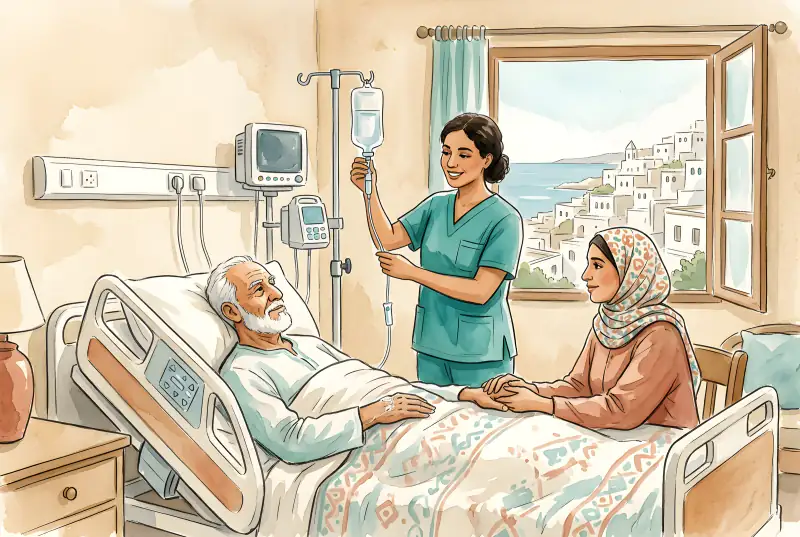
Coming home is a relief. It's also a fragile time: the patient is tired, their treatment has often changed and the hospital team is no longer there.
Most avoidable readmissions happen in the month after discharge. The causes are often simple: an infection starting, a medicine missed or taken twice, an elderly person becoming dehydrated.
Warning signs
- Fever, redness or discharge around a wound.
- Unusual breathlessness, swollen legs.
- Confusion, drowsiness, marked loss of appetite.
- Pain that gets worse instead of better.
A well-organised return home
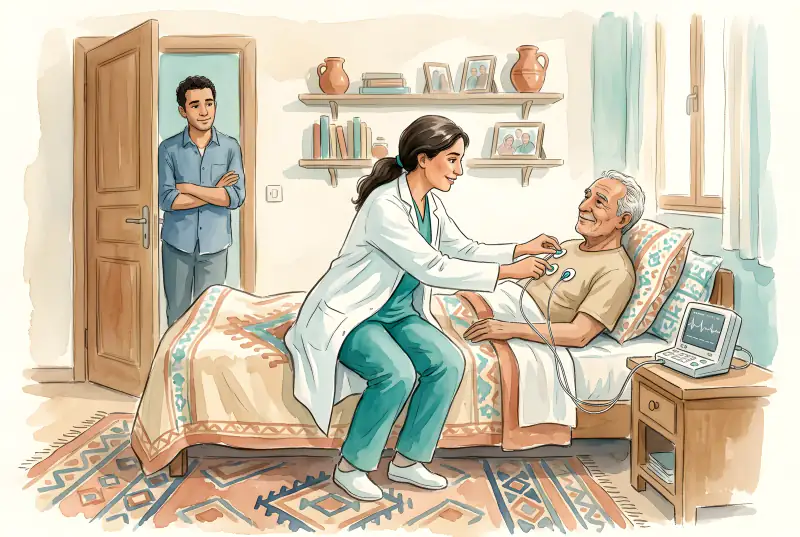
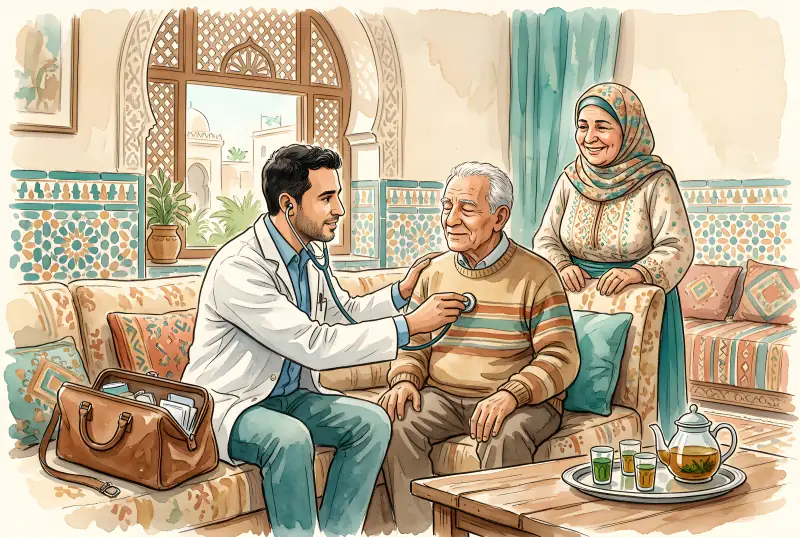
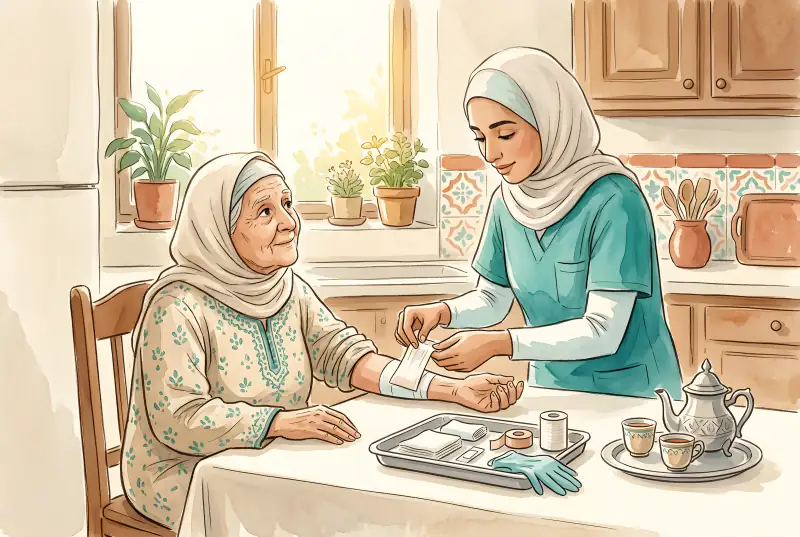
In practice: a doctor's visit within 48 hours, a check of old versus new medication, scheduled nurse visits and a number the family can call at any time. The hospital report goes into the file so everyone involved has the same information.
When in doubt, one check-up too many is better than a trip back to A&E.
Frequently asked questions
When should the first visit after discharge be?
Ideally within 48 hours, especially for an elderly person or after surgery.
Should I keep the discharge report?
Yes — show it to the doctor and nurse. It lists the treatments and discharge instructions.
Reviewed by the Doctor Darna medical team
This article is for information only and does not replace a medical consultation. In a life-threatening emergency, call 14.